Wondering what day-to-day life in Visalia actually feels like? If you are considering a move, that question matters just as much as home prices, square footage, or commute maps. The good news is that Visalia offers a mix of neighborhood comfort, local convenience, and Central Valley character that many buyers find appealing. Here is a closer look at what you can expect from everyday life in Visalia.
Visalia feels established and connected
Visalia has the feel of a mid-sized city with a strong local identity. The City of Visalia describes it as a full-service, family-friendly community, and recent Census data places the population at 146,271 in 2024. In practical terms, that often means you get access to the services and amenities you need without losing that more personal, neighborhood-oriented feel.
For many people, that balance is a big part of the appeal. Visalia is large enough to support shopping, dining, recreation, and public services, but it still reads as approachable rather than overwhelming. If you want a city that feels active without feeling overly fast-paced, Visalia often lands in that sweet spot.
Tree-lined neighborhoods shape daily life
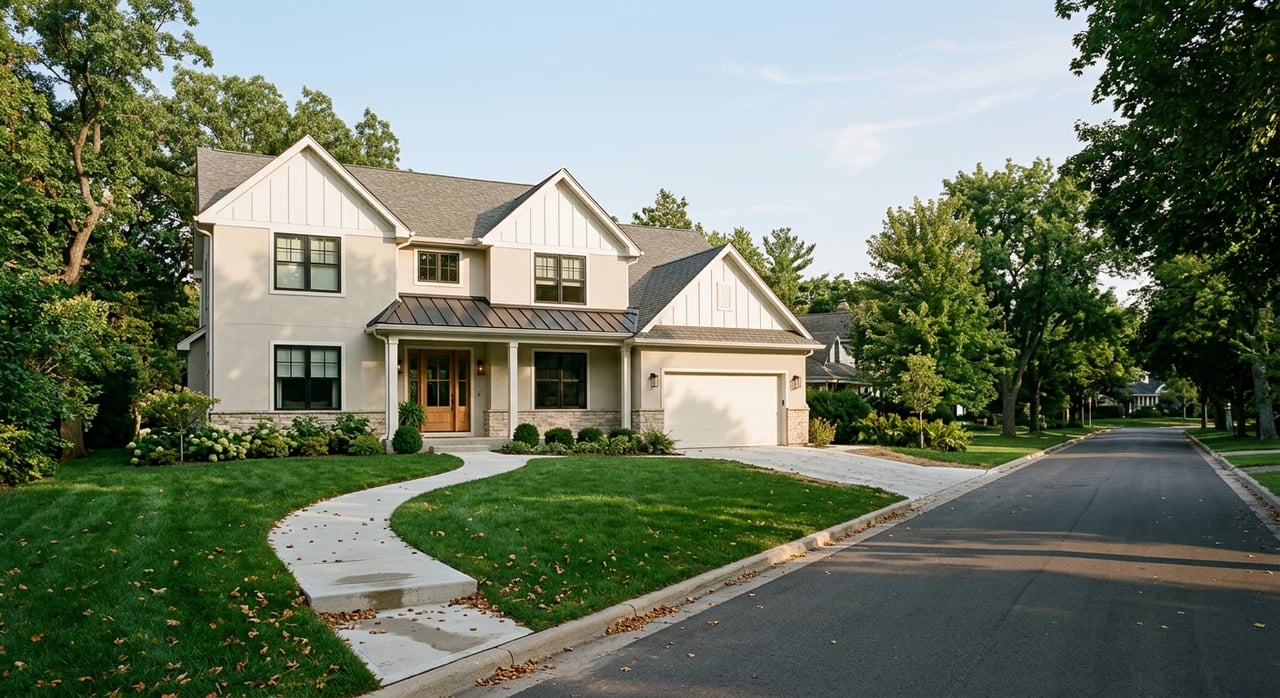
One of the first things many people notice about Visalia is the tree canopy. According to the city’s Tree City USA program information, Visalia’s neighborhoods are lined with valley oaks, and the city maintains street, park, and trail trees throughout the community. The city also reports planting more than 3,000 trees downtown and along streets and medians.
That matters because it changes how a place feels when you live there. Tree-lined streets can make neighborhoods feel more established, more shaded, and more inviting for everyday routines like walking the dog, heading to a park, or simply driving home after work. In Visalia, that natural backdrop is part of the city’s identity.
Parks and trails are easy to enjoy
If you like having outdoor space woven into your routine, Visalia gives you options. The city operates more than 50 parks, trails, and recreation facilities, and its park system is open daily from 5 a.m. to 10 p.m. That makes it easier to fit outdoor time into a normal weekday, not just your weekends.
A few examples stand out:
- St. John’s River Trail stretches more than four miles
- Modoc Ditch Trail runs about four miles
- Riverway Sports Park includes a splash pad, playgrounds, and sports fields
This helps create a lifestyle where outdoor recreation feels accessible. Whether you enjoy a morning walk, an after-dinner bike ride, or spending time at a local park, Visalia makes those habits easier to maintain.
Downtown adds energy and convenience
Downtown Visalia plays a big role in everyday life. The City of Visalia’s downtown overview describes it as a center for office, medical, and government activity, along with retail, restaurants, and entertainment. That mix gives the area a practical role during the day and a social role in the evenings and on weekends.
For you, that can translate into a simple but valuable kind of convenience. You may be able to combine errands, coffee stops, dinner plans, and entertainment in one part of town rather than driving all over the region. It adds rhythm and activity to the city in a way that many residents appreciate.
Local events support community feel
A city feels different when people actually gather there, and Visalia has recurring events that help create that connection. Downtown Visalians highlights events like Taste of Downtown and the Candy Cane Lane Parade, while Taste the Arts brings visual, performing, literary, and culinary arts to Garden Street Plaza.
Visalia also benefits from having the Arts Consortium as Tulare County’s designated arts council partner. That gives the arts a more consistent presence in the community. Instead of feeling like entertainment is only occasional, there is a stronger sense that local culture has a real place in everyday life.
Food culture reflects the Central Valley
Visalia’s food scene is closely tied to its agricultural setting. According to Visit Visalia’s farm-to-fork guide, the city has a year-round Saturday farmers market at Mooney and Main, along with seasonal market activity downtown and at Akers and Tulare. The guide also points to local products such as olive oil, nuts, chocolate, dairy, wine, and brewery offerings.
That means the Central Valley identity is not just something you hear about. You can see it in the local markets, what is in season, and the kinds of businesses and products that show up in daily life. If you enjoy supporting local producers or building weekend routines around markets and downtown stops, Visalia offers that opportunity.
Getting around is fairly manageable
Visalia is still a city where driving plays a major role, but it offers more transportation options than some people expect. The city’s transit system includes 12 bus routes serving Visalia and nearby communities, plus Dial-A-Ride, Visalia Connect microtransit, the V-LINE shuttle to Fresno, and the seasonal Sequoia Shuttle to Sequoia National Park.
That added connectivity can make a difference in everyday planning. Whether you are commuting, reaching shopping and medical services, or looking for regional access, the city is not as limited as a purely car-dependent town. Visalia Municipal Airport is also located about five miles west of downtown near State Routes 99 and 198, which adds another layer of convenience.
Commutes are moderate for many residents
Commute time can shape your daily routine as much as any neighborhood feature. According to U.S. Census QuickFacts, the mean commute time in Visalia is 22.9 minutes. That suggests many residents experience a manageable work trip compared with longer commutes common in larger metro areas.
Of course, your exact experience depends on where you live and work. Still, shorter average travel times can support a more balanced day. Less time in traffic often means more time at home, at the park, downtown, or simply enjoying your normal routine.
Summer heat is part of the tradeoff
No lifestyle guide to Visalia is complete without talking about the weather. NOAA climate normals show average highs in July and August around 93 to 94 degrees, with annual precipitation near 10.32 inches and very little summer rain, according to NOAA data for Visalia.
If you are moving from a cooler or coastal area, that will be one of the biggest adjustments. Summer in Visalia is hot and dry, and that affects everything from outdoor schedules to how you think about shade, yards, and air conditioning. Many residents adapt by planning early morning or evening activities and making the most of the city’s tree cover and parks.
Visalia often appeals to people seeking roots
Visalia appears to offer a strong sense of continuity. The same Census QuickFacts page reports a 61.1% owner-occupied housing rate and shows that 91.8% of residents lived in the same house one year earlier. Those numbers suggest a community with a relatively stable, established feel.
For buyers, that can be encouraging. A place where many people stay put often feels different from a more transient market. You may notice that in the way neighborhoods feel, how people talk about local events, and the overall sense that Visalia is a place where people put down roots.
Who tends to enjoy living in Visalia
Visalia can be a strong fit if you want a city that blends daily convenience with a more grounded pace. It may especially appeal to people who value:
- Tree-lined residential areas
- Parks, trails, and recreation access
- A lively downtown with local restaurants and events
- Manageable commutes for many households
- A community-oriented feel with established neighborhoods
At the same time, it helps to be realistic about the tradeoffs. Hot, dry summers and a largely driving-based routine are part of life here. For many residents, though, the balance of comfort, convenience, and local character makes that trade worthwhile.
What this means for your move
If you are thinking about buying a home in Visalia, lifestyle fit matters just as much as the property itself. The right home should support how you want to live, whether that means easier park access, a shorter commute, proximity to downtown, or a neighborhood with a more established feel.
That is where local guidance can make a real difference. The team at Harris Realty Group helps buyers, sellers, first-time purchasers, relocations, and investment-property clients across Visalia and the Central Valley with clear, practical support. If you are trying to decide whether Visalia feels like the right fit, Harris Realty Group can help you narrow your options and move forward with confidence.
FAQs
What is everyday life like in Visalia, California?
- Everyday life in Visalia often feels community-oriented, with tree-lined neighborhoods, more than 50 parks and recreation facilities, a busy downtown, and manageable average commute times for many residents.
Is Visalia, California, a good place for outdoor activities?
- Visalia offers easy access to parks and trails, including St. John’s River Trail, Modoc Ditch Trail, and Riverway Sports Park, which makes outdoor recreation a regular part of daily life for many residents.
Does Visalia, California, have a walkable downtown area?
- Downtown Visalia serves as a central hub for restaurants, retail, entertainment, office activity, and events, so it gives residents a convenient area for errands, dining, and community gatherings.
What is the weather like in Visalia, California?
- Visalia has hot, dry summers, with average July and August highs around 93 to 94 degrees, mild winter conditions compared with colder regions, and about 10.32 inches of annual precipitation.
Is Visalia, California, mostly car-dependent?
- Many daily routines in Visalia are still car-oriented, but the city also provides 12 bus routes, Dial-A-Ride, on-demand microtransit, a Fresno shuttle, and seasonal access to Sequoia National Park through the Sequoia Shuttle.
Who might enjoy living in Visalia, California?
- Visalia may appeal to buyers who want an established Central Valley city with parks, local events, downtown amenities, and a steady neighborhood feel, while also being comfortable with hot summers and a mostly driving-based lifestyle.